Designing Kitchens for Life: The Hypespace Way
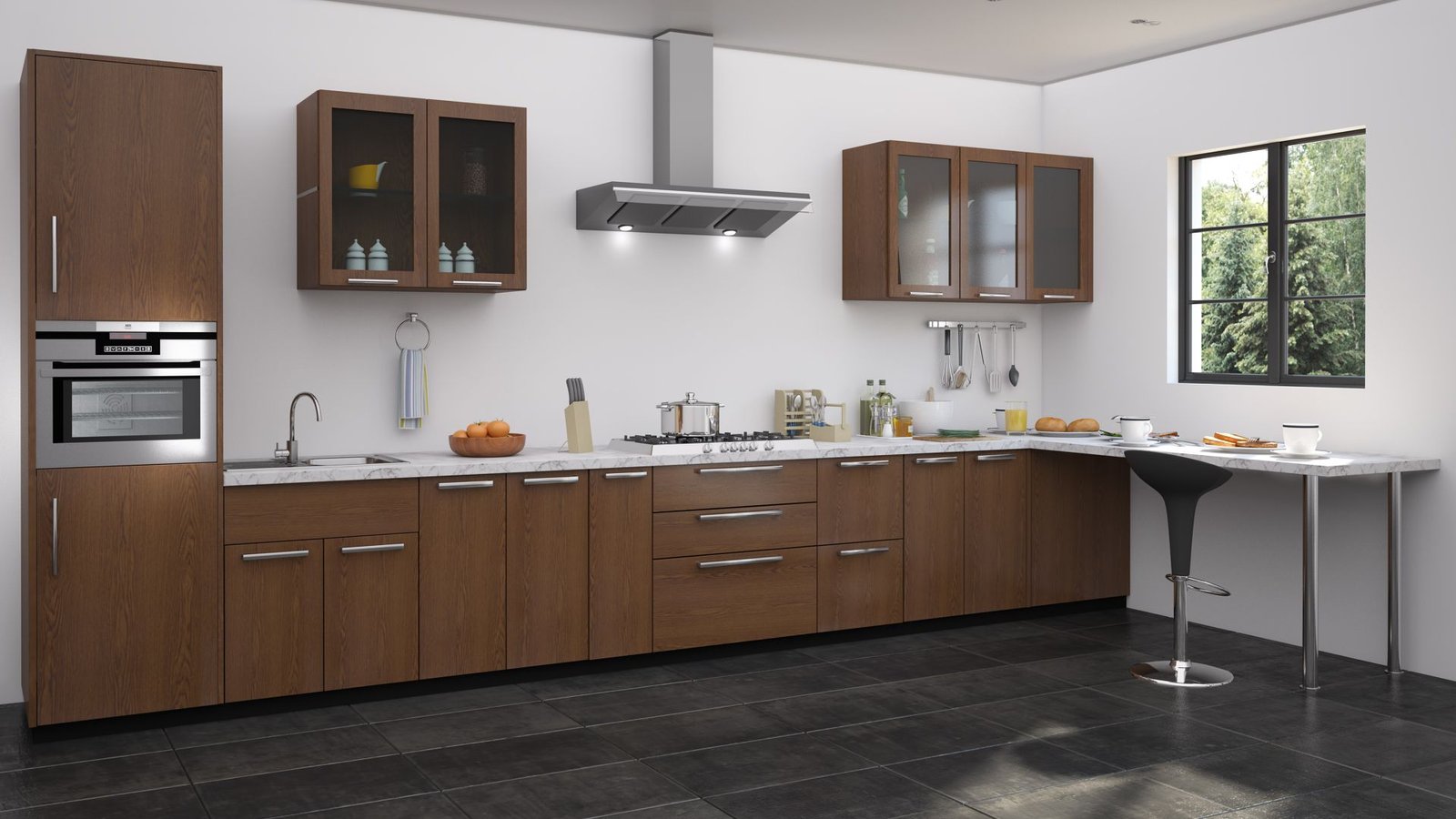
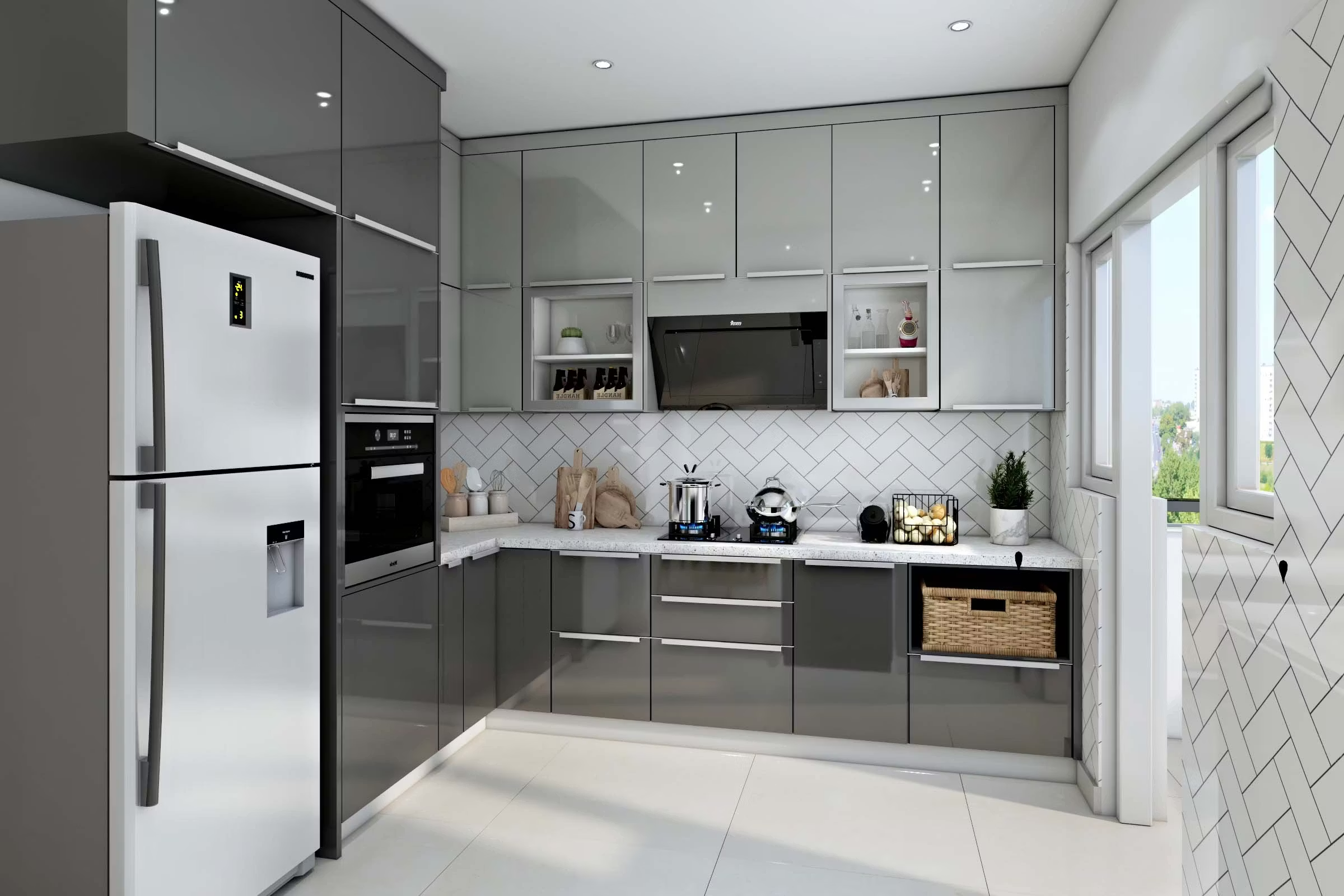
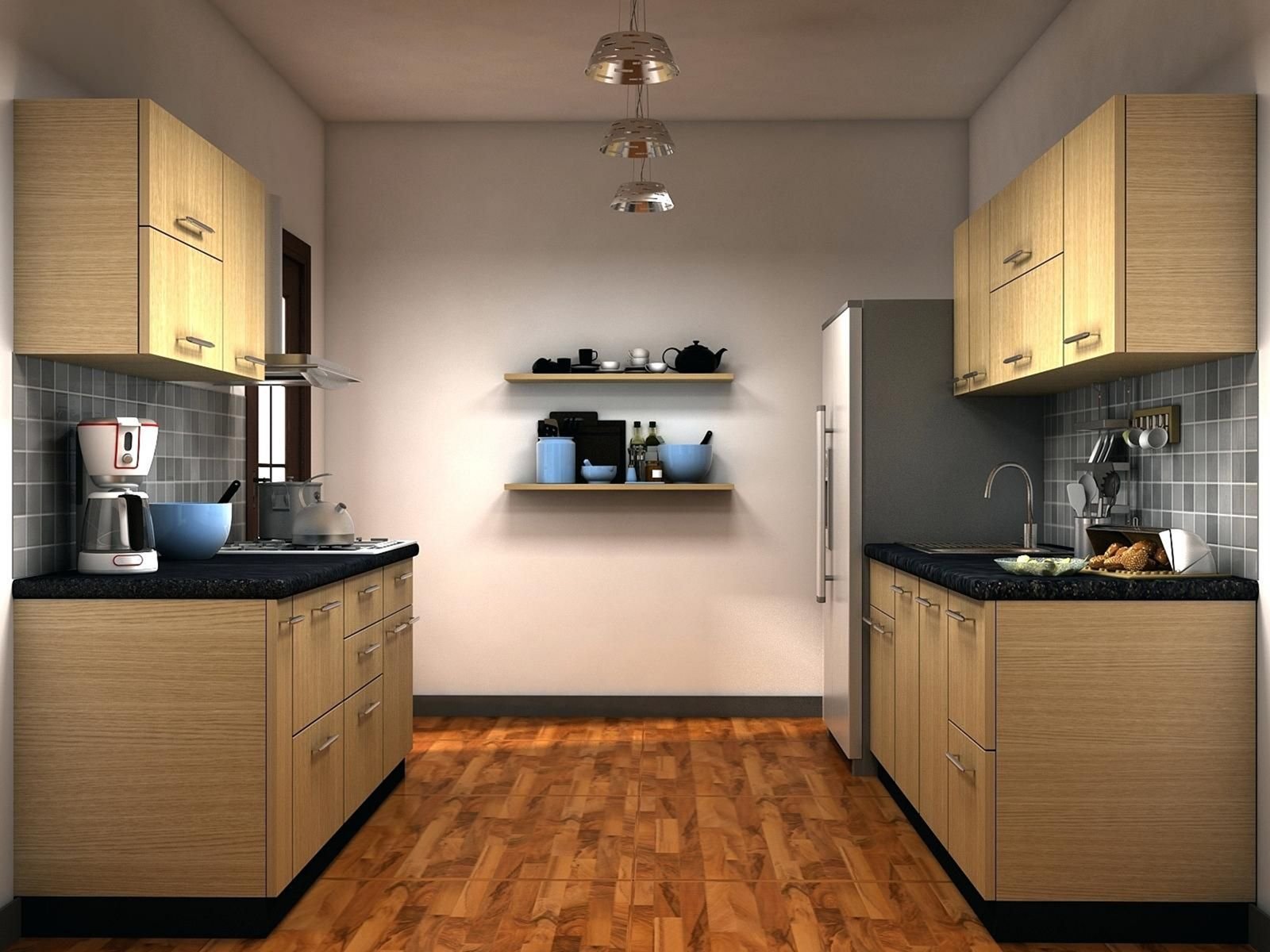
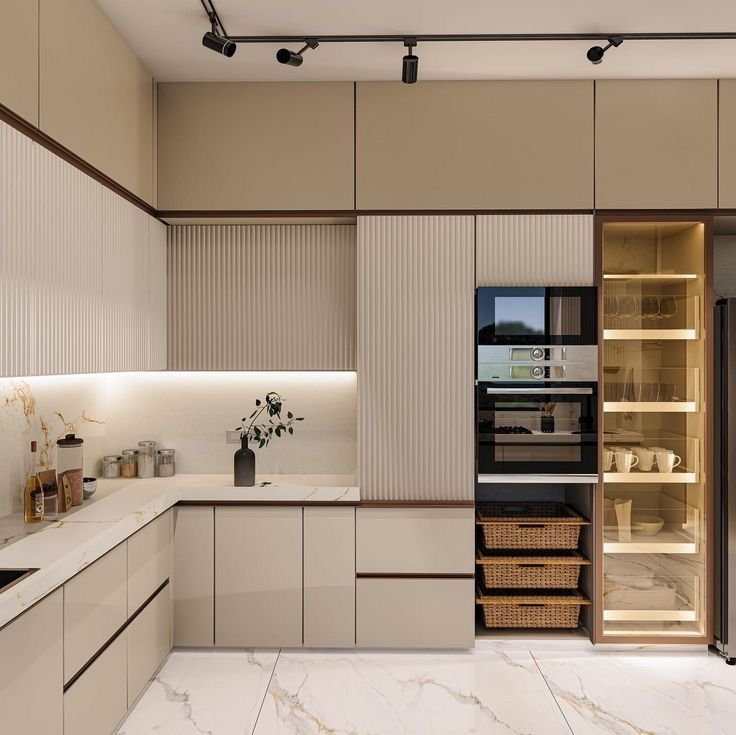
At HYPESPACE MODULAR KITCHENS, we believe a kitchen should do more than just look good. It should make you feel good. We design our kitchens to fit the way people actually live, focusing on your comfort and health.
Bringing Nature into Your Kitchen (Biophilia)
Have you ever noticed how being in nature makes you feel relaxed? We use a concept called Biophilia, which means “the love of living things.” We bring this feeling into your home by:
Using Natural Materials: We use textures like wood and leather (saddle hide) to make your kitchen feel warm and inviting, not cold and industrial.
Better Shapes: Instead of just square boxes, we use shapes like hexagons and soft curves that feel more natural and easier to move around.
Smart Planning: We use the “Golden Ratio” (a special math rule found in nature) to make sure your cabinets and counters are perfectly balanced.
Why It Matters
A well-designed kitchen helps you stay organized and reduces stress. Our modular systems are built with:
Strong Materials: To keep your family safe and your kitchen lasting for years.
Beautiful Finishes: Like our signature Polished Brandy metal edges that add a touch of luxury.
Custom Layouts: Even if you don’t have a plan yet, we can help. As we always say: “If you don’t have a sketch, we will help you create the kitchen of your dreams.”
Simple Summary for your website:
Hypespace Modular Kitchens are designed for humans. We use natural shapes, healthy materials, and expert planning to build a kitchen that you will love living in every single day.

architect:
project type:
Terms:
client:
Strategy:
date:
Design in Details
In design, we bring characteristics of the natural world into built spaces, such as water, greenery, and natural light, or elements like wood and stone. Encouraging the use of natural systems and processes in design allows for exposure to nature, and in turn, these design approaches improve health and wellbeing. There are a number of possible benefits, including reduced heart rate variability and pulse rates, decreased blood pressure, and increased activity in our nervous systems, to name a few.
Over time, our connections to the natural world diverged in parallel with technological developments. Advances in the 19th and 20th centuries fundamentally changed how people interact with nature. Sheltered from the elements, we spent more and more time indoors. Today, the majority of people spend almost 80-90% of their time indoors, moving between their homes and workplaces. As interior designers embrace biophilia.
[30m2]
bedroom
[22m2]
bathroom
[28m2]
workspace
[15m2]
kitchen area
Incredible Result
Establishing multi-sensory experiences, we can design interiors that resonate across ages and demographics. These rooms and spaces connects us to nature as a proven way to inspire us, boost our productivity, and create greater well-being. Beyond these benefits, by reducing stress and enhancing creativity, we can also expedite healing. In our increasingly urbanized cities, biophilia advocates a more humanistic approach to design. The result is biophilic interiors that celebrate how we live, work and learn with nature. The term translates to ‘the love of living things’ in ancient Greek (philia = the love of / inclination towards), and was used by German-born American psychoanalyst Erich Fromm in The Anatomy of Human Destru ctiveness (1973).